Custom BSP, Bring-Up & Linux Drivers
Board support packages that boot reliably, support all your peripherals and can be upgraded for the life of the product.
OTA releases shipped to our own fleet
Devices online
Fleet monitoring and support
Countries our devices ship to
Why a custom board needs a custom BSP
Custom boards rarely work with the vendor BSP out of the box. Missing drivers, wrong device trees and bootloader issues delay every hardware revision.
Custom board, generic BSP
The vendor BSP does not know your peripherals, power design or memory.
Bring-up blocks everyone
Firmware, app and test teams wait while the board does not boot.
Every hardware revision hurts
Without a clean BSP structure, each board spin repeats the work.
Custom BSP development: what we deliver
BSP layer or tree, bring-up report, test results per peripheral.
U-Boot and bootloader porting
U-Boot configured for your board, memory and boot media, with boot delays removed and a path for secure boot.
Kernel porting and device tree for custom boards
A kernel and device tree that describe your exact hardware, kept on a maintained kernel line.
Peripheral bring-up: display, camera, audio, radios, sensors
Display, camera, audio, radios and sensors, each with a test result in the bring-up report.
Upstream-friendly patches
Clean patches that are easy to carry to new kernel versions, and upstreamed where it makes sense.
Support for new hardware revisions
A BSP structure where a new board spin is a small change, not a new project.
Linux Kernel Driver Development
Kernel drivers for custom peripherals, sensors and interfaces: stable, performant and ready for kernel upgrades.
What a custom BSP covers
- Bootloader: U-Boot, boot media, boot time.
- Kernel and device tree: porting, configuration, unused drivers and debug options removed.
- Drivers: kernel drivers for custom peripherals, sensors and interfaces.
- Root filesystem and build: reproducible Yocto or Buildroot images; read-only SquashFS with OverlayFS where it fits.
- Security: secure boot, encrypted partitions, signed images.
- Update path: A/B or recovery updates with RAUC, SWUpdate or Mender.
- Platforms: application processors from NXP and ST.
5x faster boot for an industrial HMI display. A European OEM’s Linux HMI panels needed 55–60 seconds to start, against a 15-second target. Working only in the BSP and software, we cut it to 10 seconds: U-Boot delays and init (about 3 s), unused kernel drivers and debug options (about 3 s), a compressed SquashFS root filesystem (about 14 s) and systemd ordering (about 30 s). Verified with more than 100 cold boots, no hardware change. Read the case study.
How we bring up a new board
From board bring-up to a maintained software stack you own.

1. Audit and plan

2. Bring-up

3. Feature development

4. Hardening

5. Handover and support
Related Case Studies
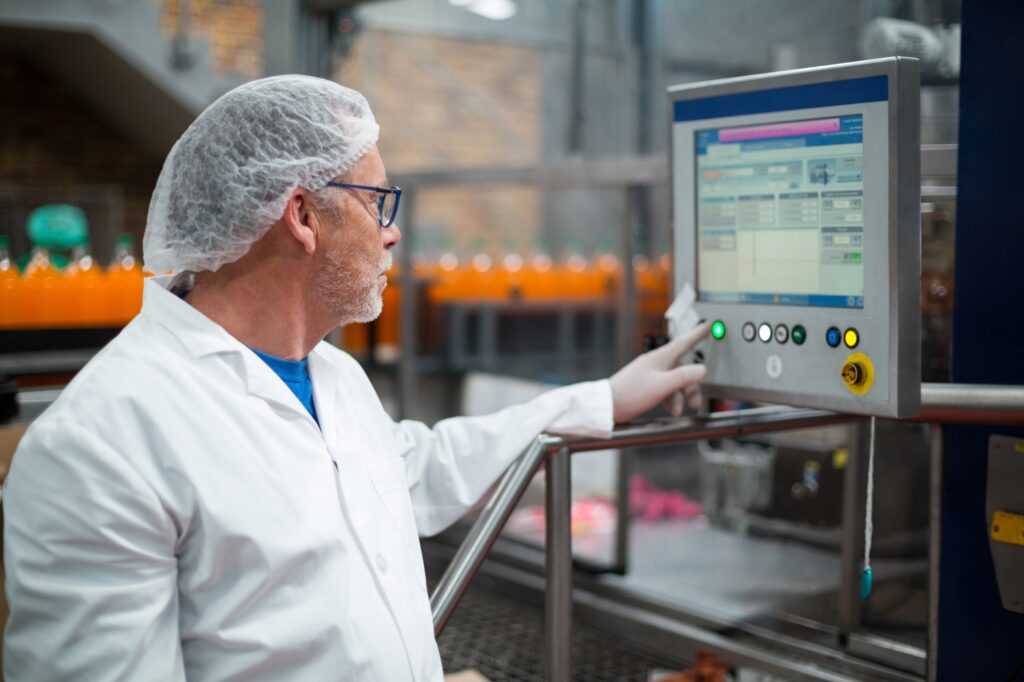
How we cut the boot time of a Linux-based HMI panel from about 55–60 to 10 seconds with software alone, so operators never lose sight of live production data after a restart.
Related accelerators
Service Category
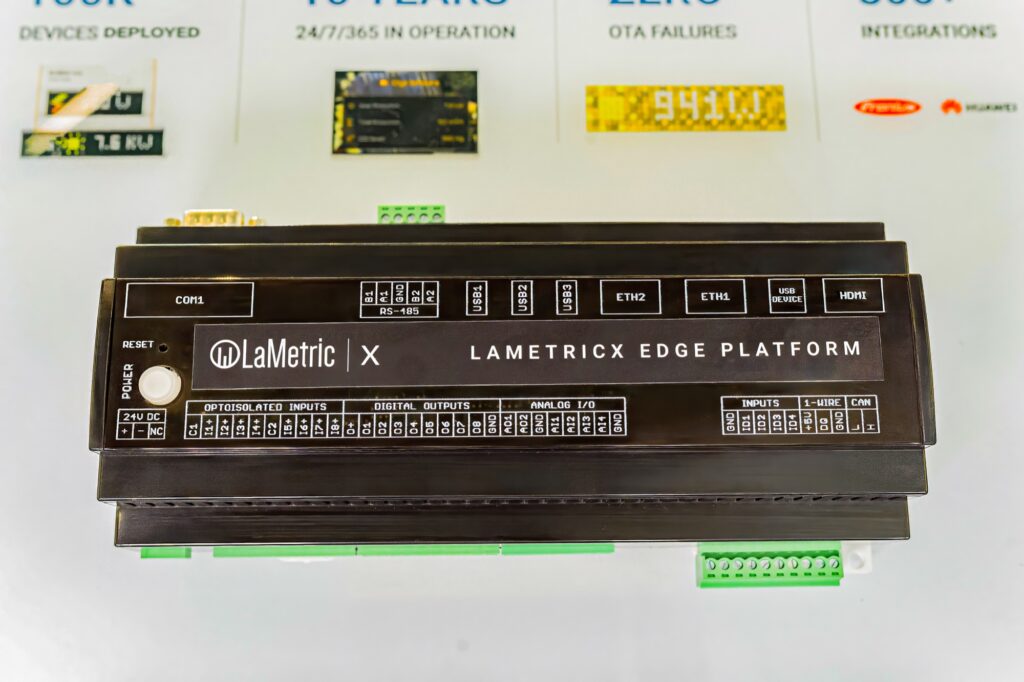
An edge energy management foundation built on the inverter, meter and battery integrations proven in our own LaMetric smart energy displays: Modbus and SunSpec, fully on site, steering EV chargers, heat pumps and water heating to solar surplus and cheaper tariffs.
Service Category
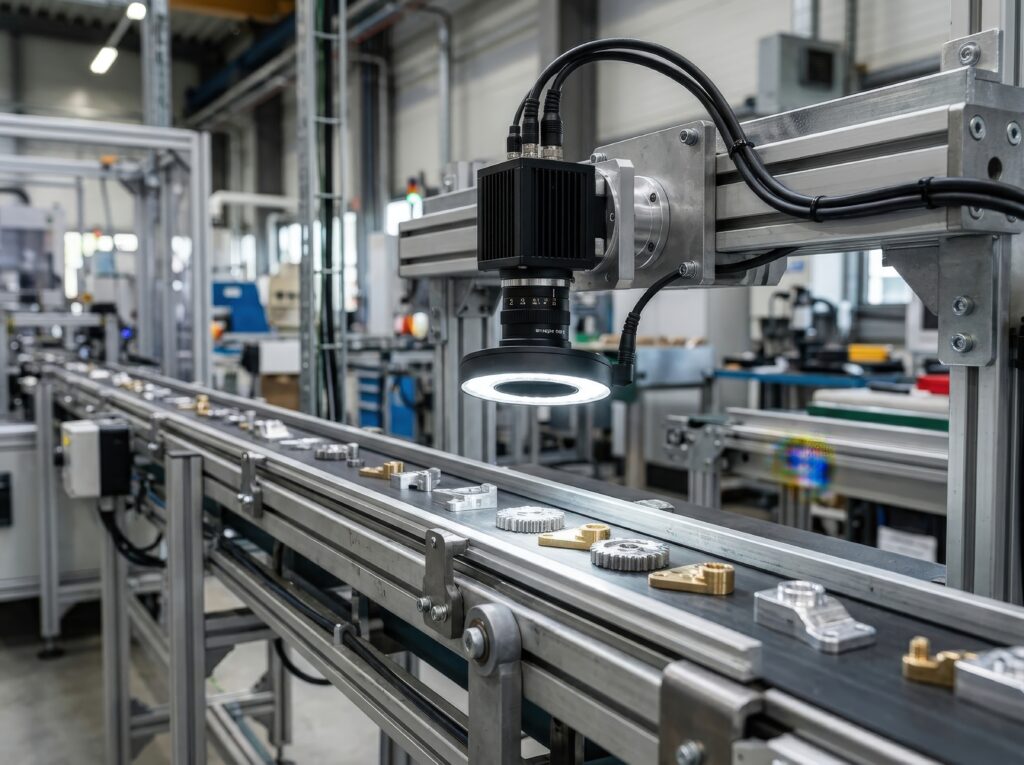
A proven edge AI vision foundation for NXP i.MX 8M Plus, i.MX 93 and other SoCs, adapted to your product. Camera, inference, connectivity and OTA are ready, so your team builds the application, not the platform.
Planning something similar?
Tell us where you are. A senior engineer replies within one business day.

Related services

Clean, reproducible Yocto builds with custom layers, SDKs and CI, so your OS is a product, not a snapshot.
Stuck on an old vendor kernel nobody supports? We move you to a maintained, secure Linux stack.
Take your product from prototype to the first production runs with your EMS, without surprises.
FAQ
Do you work from schematics only?
Do you upstream patches?
Do you also do Linux Kernel Driver Development?
Yocto or Buildroot?
Can you make our board boot faster?
Can you add secure boot to an existing BSP?
Do you keep the BSP up to date?
Talk to an engineer, not a salesperson
Idea, prototype, production or a fleet in the field: tell us where you are. A senior engineer replies within one business day.
Your benefits:
- Senior embedded engineers
- Hardware, firmware and cloud
- From prototype to fleet
- Clear scope and next steps
- Direct technical answers
- No sales pitch
What happens next?
A free 30-minute call with a senior engineer
A short technical discovery
A proposal with scope, timeline and cost