EV Charging
EV charger firmware development for AC and DC chargers and charging networks: controller firmware, OCPP connectivity, secure boot, OTA updates, remote diagnostics and production test.

Devices online in our own fleet
Defect rate in volume production
OTA releases shipped to our own fleet
Countries our devices ship to
EV charger firmware: the hard parts
We engineer charger controller software, connectivity, OTA, remote diagnostics and factory provisioning, and help cut component and manufacturing cost.
OCPP and backend interoperability
Chargers have to work with many backends and OCPP versions without custom fixes for each one.
Uptime targets and remote diagnostics
Every hour a charger is down costs revenue, so faults must be found and fixed remotely.
Security and payment-related compliance
Chargers handle payments and grid connections, so security has to hold up to audits.
Production test and provisioning at volume
Each unit must be tested, provisioned and traceable without slowing the line.
EV charger firmware development
- Controller firmware: charging control, metering and the user interface, on embedded Linux or a microcontroller.
- OCPP connectivity: chargers that work with many backends without a custom fix for each one, plus MQTT and cloud APIs for billing and monitoring.
- Secure boot and encrypted storage: chargers start only from manufacturer-signed images; keys and certificates are protected.
- OTA updates: signed packages, rollback if an update fails, staged rollouts across the network.
- Remote diagnostics: faults found and fixed remotely, because every hour a charger is down costs revenue.
- Production test and provisioning: every unit tested, provisioned and traceable, with our Manufacturing Test Framework.
- EU Cyber Resilience Act: SBOM, vulnerability management and security updates for the life of the charger.
Secure boot for public EV chargers, rolled out in the field. A European OEM’s chargers in city centres, malls and airports needed a verified boot chain, including units already installed. We built a signed boot chain anchored in the SoC, encrypted partitions and a secure flashing tool that migrated deployed chargers in stages. Result: 80% fewer firmware vulnerabilities, zero recalls, no hardware redesign, and an architecture designed to meet the CRA and IEC 62443-4-2. Read the case study.
Frequently asked questions
Do you develop firmware for AC and DC chargers?
Yes, for both, and for the connectivity to charging network backends.
Can you add secure boot to chargers that are already installed?
Yes. We did it for a European OEM with a staged in-field migration and zero recalls.
How do you make OCPP work with different backends?
We build and test the OCPP implementation against the backends you have to support, so chargers don’t need a custom fix for each one.
How are OTA updates for chargers made safe?
Only signed packages are accepted, a failed update rolls back automatically, and rollouts go to the network in stages.
Does the Cyber Resilience Act apply to EV chargers?
Chargers with network connectivity sold in the EU are products with digital elements. Reporting obligations apply from 11 September 2026 and the full requirements from 11 December 2027.
Can you help with production test and provisioning?
Yes, with our Manufacturing Test Framework: each unit is tested, provisioned and gets its own report.

EV charger engineering services
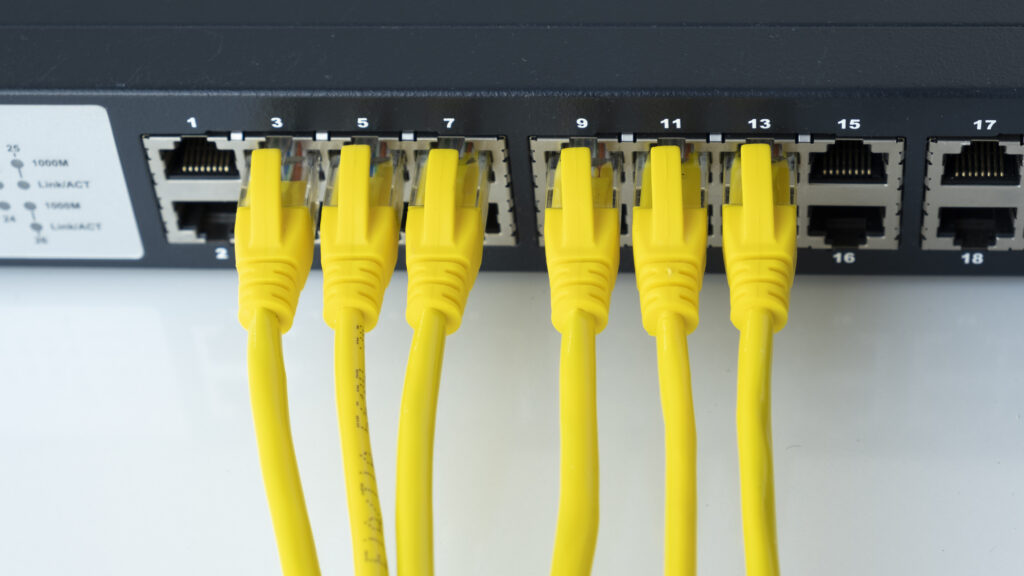
Reliable device connectivity and the middleware that ties sensors, protocols and the cloud together.

Over-the-air updates that never brick a device: A/B partitions, signed images, rollback and staged rollouts.

Logs, metrics and crash reports from every device, so you find problems before customers do.
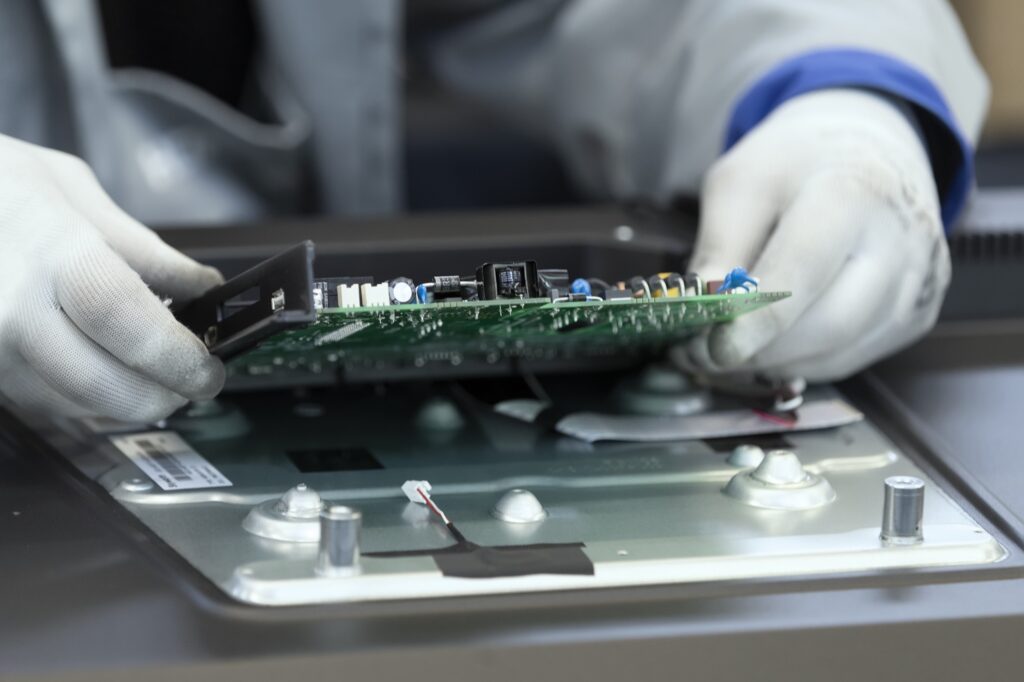
Give every device a unique, trusted identity from the factory to the cloud: keys, certificates and a PKI that handles provisioning, rotation and revocation across the whole fleet.
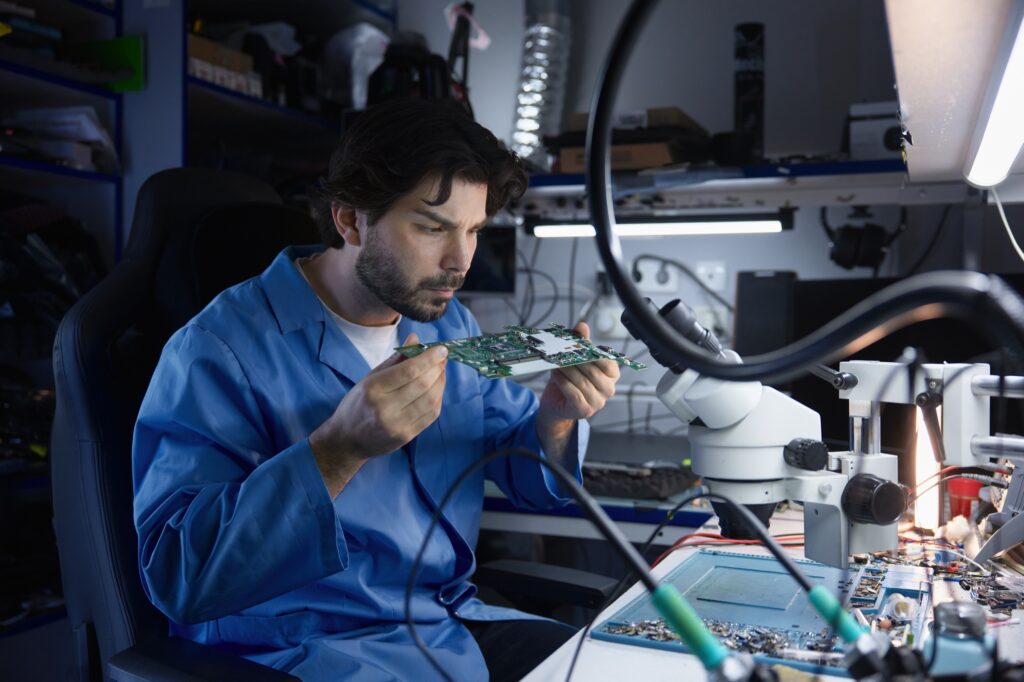
Lower your bill of materials without hurting reliability or features.
Related accelerators
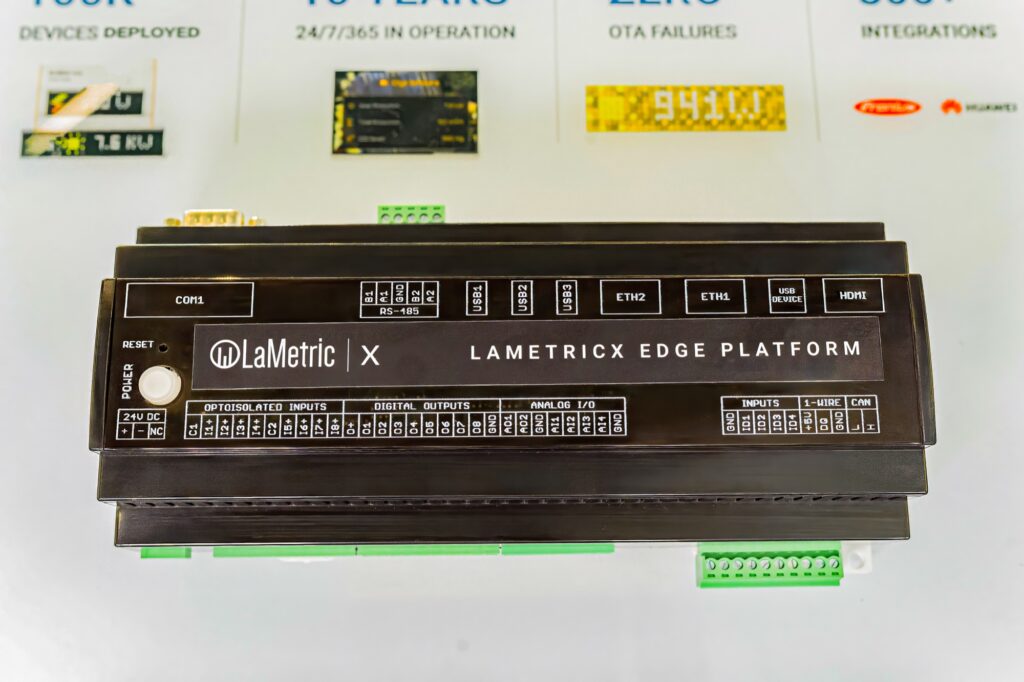
Service Category
An edge energy management foundation built on the inverter, meter and battery integrations proven in our own LaMetric smart energy displays: Modbus and SunSpec, fully on site, steering EV chargers, heat pumps and water heating to solar surplus and cheaper tariffs.
Service Category
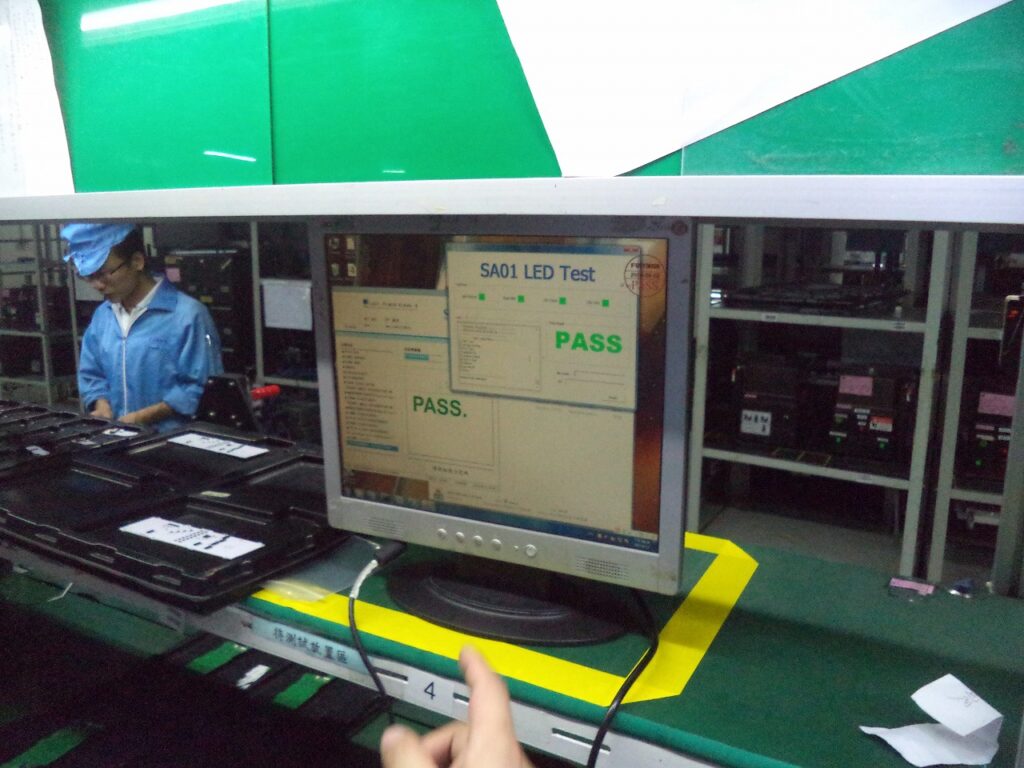
Our production test framework: SMT tests for PCBs, FATP tests for finished devices, aging, and a report for every unit. Built for our own LaMetric production and adapted to your product.
Related Case Studies
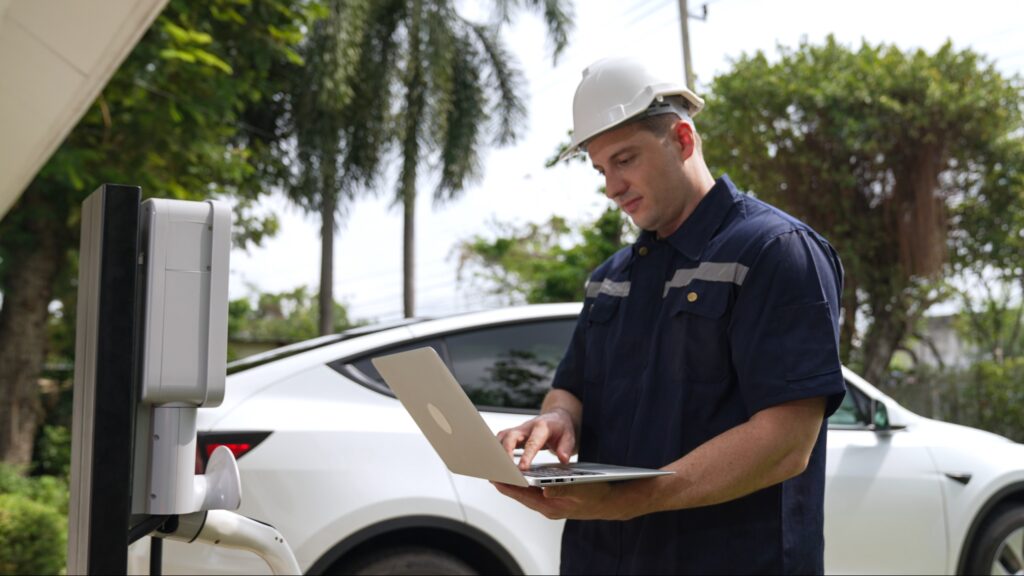
How we added a verified boot chain, encrypted storage and a secure flashing tool to a European OEM’s Linux EV chargers, including units already installed, without changing the hardware.
Planning something similar?
Tell us where you are. A senior engineer replies within one business day.

Talk to an engineer, not a salesperson
Idea, prototype, production or a fleet in the field: tell us where you are. A senior engineer replies within one business day.
Your benefits:
- Senior embedded engineers
- Hardware, firmware and cloud
- From prototype to fleet
- Clear scope and next steps
- Direct technical answers
- No sales pitch
What happens next?
A free 30-minute call with a senior engineer
A short technical discovery
A proposal with scope, timeline and cost