Summary: In March 2026 we spent time at Light + Building in Frankfurt, the leading fair for lighting and building technology. Three themes stood out for anyone building connected energy and home devices: inverter makers moving deeper into home energy management, KNX opening up to IP and IoT, and chip vendors such as NXP bringing KNX IoT to their wireless MCUs and processors.
Why we went
Our roots are in connected devices at scale. LaMetric Solar Glance already turns data from hundreds of inverters, meters and gateways into live screens, and our clients build products that sit between the inverter, the battery and the people living in the home. Light + Building is where those worlds meet, so we used our time at the fair to meet inverter OEMs, chip vendors and KNX manufacturers.
Inverter OEMs: one energy system for the home
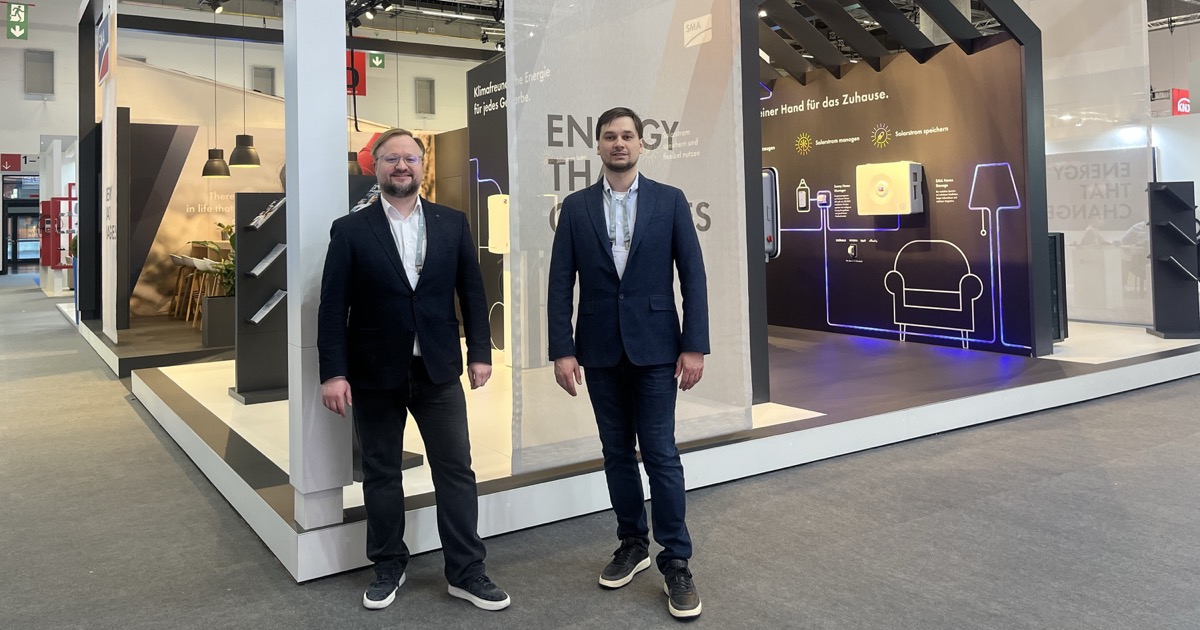
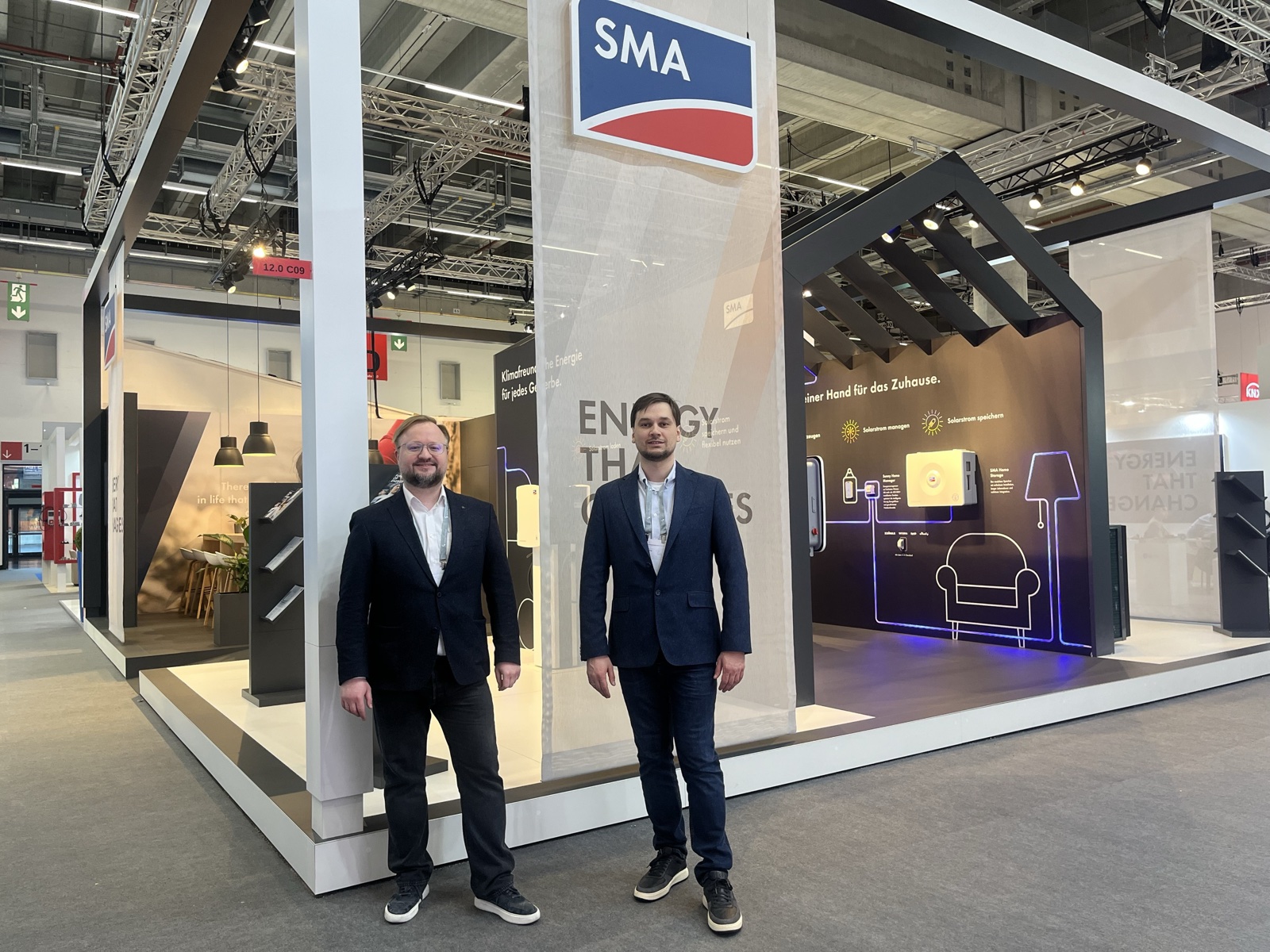
The inverter makers’ stands showed the inverter as part of one energy system for the home: generating, managing and storing solar power, with an app and a home energy manager around it. For OEMs this raises the bar on the devices around the inverter: displays, gateways and controllers that have to be secure, updatable over the air and reliable for many years in the field.
NXP: KNX IoT on Zephyr and FreeRTOS
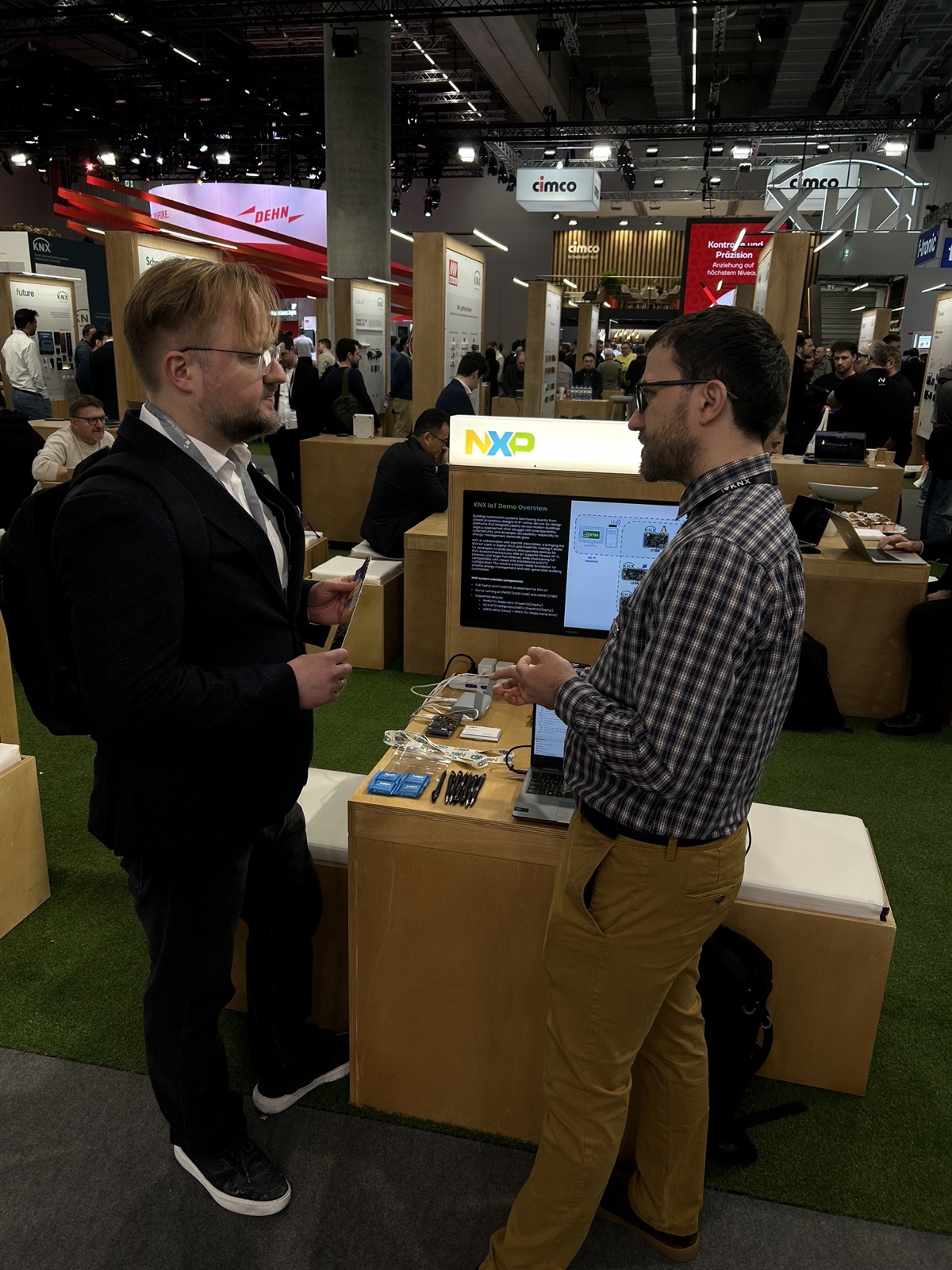
In the KNX area we spent time with NXP’s team at their KNX IoT demo. NXP, in close collaboration with the KNX Association, is porting the KNX IoT stack to Zephyr RTOS and FreeRTOS, so KNX devices can be built on open-source embedded platforms. KNX IoT runs over IPv6 on Thread, Wi-Fi, Single Pair Ethernet and Ethernet, stays compatible with classic KNX installations through standardized routers, and devices are still configured in ETS. Security is part of the standard, with end-to-end protection (OSCORE) and authenticated onboarding.
The initial platforms NXP names are the RW612 tri-radio wireless MCU (Wi-Fi 6, Bluetooth LE and 802.15.4) and the MCX W71 and MCX W72 multiprotocol MCUs. At the stand, the demo ran on RW612 boards with an i.MX 91 applications processor as the Thread border router. NXP describes the work in its announcement NXP and KNX Bring KNX IoT to Zephyr and FreeRTOS.
For device makers this matters because one chip that speaks the building’s protocols and the IP world reduces the bill of materials, certification effort and software complexity.
KNX: from wires to IP and apps
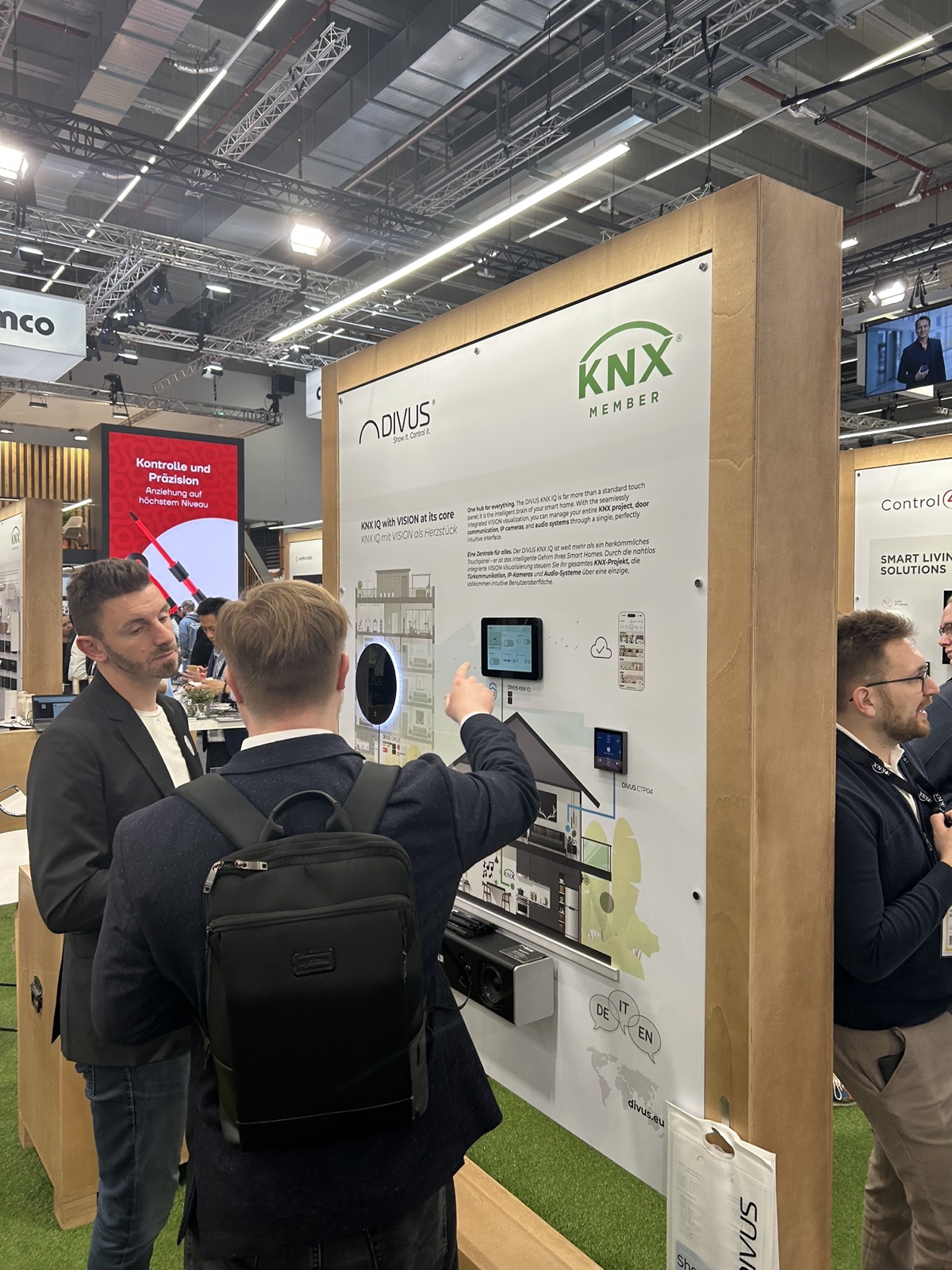
KNX remains the backbone of many European buildings, and the KNX member companies we met, such as DIVUS with its KNX IQ touch panel, show where it is heading: one interface for the KNX installation, door communication, cameras and audio, connected to the cloud and to apps. The opportunity for OEMs is to connect energy devices and KNX systems so residents and installers see one picture of the home.
What it means for your product
- Plan for interoperability early: Modbus and SunSpec, KNX, Matter and cloud APIs.
- Treat security and over-the-air updates as part of the product, not an add-on.
- Choose silicon for the product’s whole life, not just the prototype.

How we help
We build the devices around the inverter and the building: embedded Linux and firmware, electronics, connectivity, secure updates and the cloud behind them. See our embedded Linux, MCU firmware, electronics and PCB design, device connectivity and secure OTA updates services, or start from the Energy Gateway accelerator. If you are building a connected energy or home device, talk to an engineer.