Summary: For complex products, choosing a contract manufacturer is not just a procurement exercise. It’s a systems engineering exercise. The best partners ask difficult questions early, challenge assumptions and help improve the whole system.
Preparing LaMetric TIME for manufacturing
Over 12 years ago, when we were preparing the first generation of LaMetric TIME for manufacturing, we evaluated several contract manufacturers. Each brought different strengths to the table:
- Some had highly competitive pricing.
- Some had impressive production capabilities.
- Some had extensive experience in consumer electronics.
The one that stood out
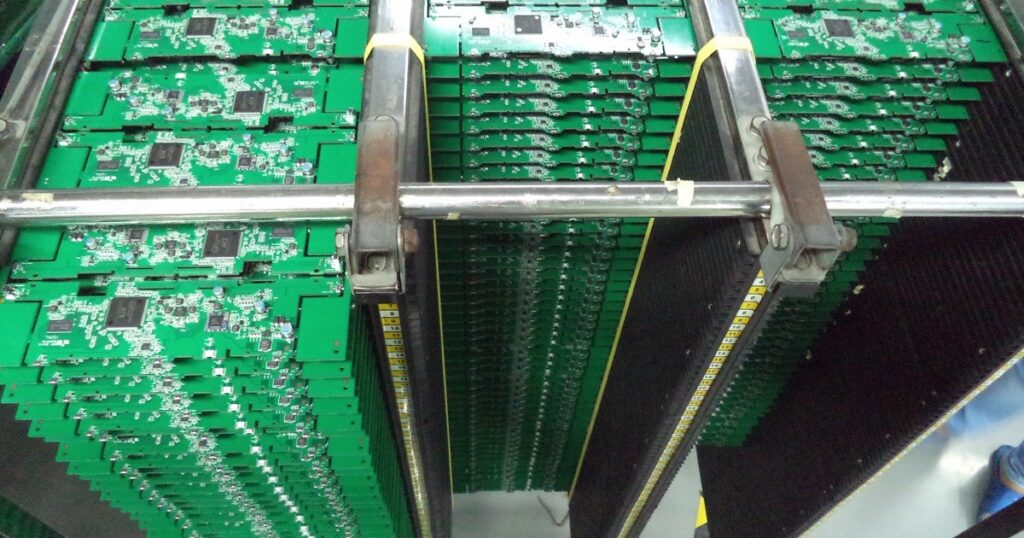
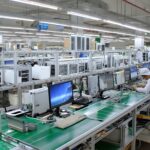
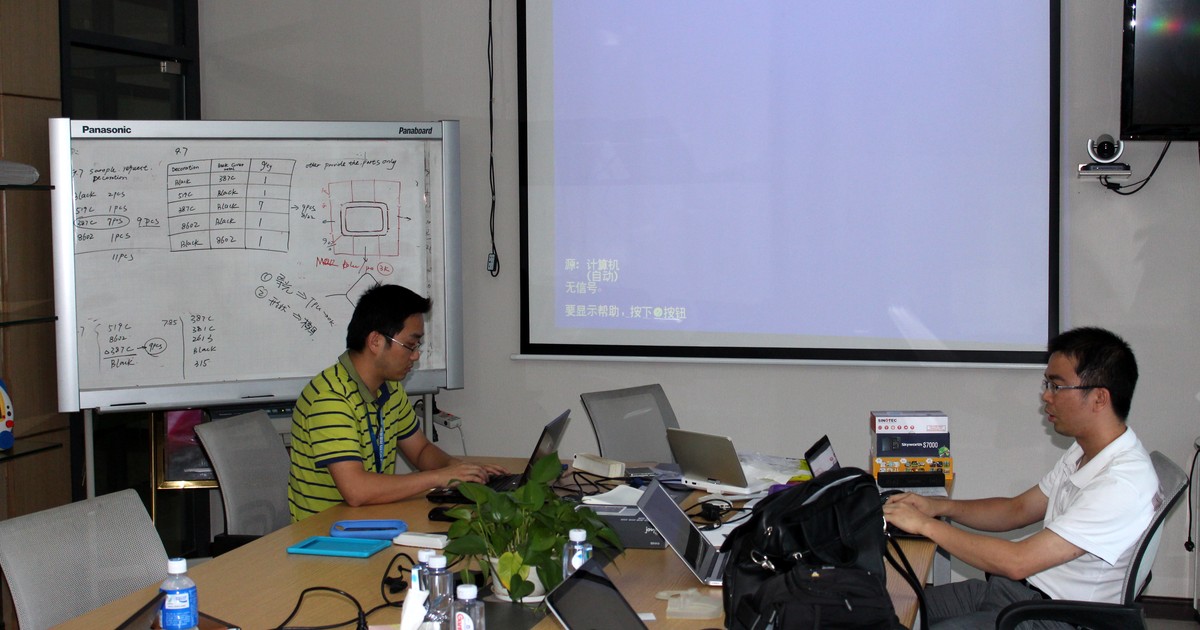
One stood out for a different reason. Their engineers spent significant time reviewing our mechanical design, discussing manufacturing risks, suggesting improvements and helping us think about scalability, testing and long-term reliability. LaMetric TIME went on to volume production with Foxconn.
That experience taught us an important lesson: for complex products, vendor selection is not just a procurement exercise. It’s a systems engineering exercise.

Why the lowest quote can cost more
A quote compares the price of building the design you send. It does not show what happens when the design meets the factory: parts that are hard to place, tolerances that do not stack up, tests that take too long, or a supply plan that breaks when one component is short. These problems surface during pilot runs and early production, when changes are slow and expensive.
A manufacturer that engages with the design early finds many of them on paper. That changes the real cost of the product far more than a few percent on the assembly price.
What to evaluate besides price
| Area | What to look for |
|---|---|
| Engineering engagement | Do their engineers review your design and ask questions before quoting? |
| Design for manufacturing and test | Concrete DFM and DFT feedback on boards, mechanics and assembly |
| Test capability | How they run production tests, who builds the stations, how results are recorded |
| Supply chain | How they source components, handle shortages and propose alternatives |
| Quality system | Incoming inspection, process control, failure analysis and corrective actions |
| Traceability | Serial numbers, component lots and test results linked per unit |
| Scalability | Can they support pilot runs now and higher volumes later? |
| Communication | Clear contacts, regular reporting and fast answers when something goes wrong |
The same lesson, beyond manufacturing
We’ve applied the same approach not only when building our own products, but also when helping OEM customers bring connected devices to market. And the lesson extends far beyond manufacturing. We’ve seen the same pattern when selecting:
- Cloud platforms.
- Connectivity technologies.
- Software components.
- Hardware suppliers.
- Integration partners.
The best outcomes rarely come from the lowest-cost option or the most impressive presentation. They come from partners who ask difficult questions early, challenge assumptions, identify risks and help improve the overall system. That is often where the biggest savings and the greatest reduction in project risk are found.
A practical selection process
- Prepare a complete package: design files, bill of materials, test requirements and expected volumes.
- Ask each candidate for DFM and DFT feedback, not only a price.
- Compare how they answer technical questions, not only what they charge.
- Visit the line or review it remotely, including test stations and quality records.
- Run a pilot batch and measure yield, test time and the issues found.
- Agree how changes, failures and traceability data are handled before volume production.
Red flags
- A quote with no questions about the design.
- No clear answer on how units are tested or who owns the test stations.
- Vague answers on component sourcing and alternatives.
- No per-unit traceability.
What a good manufacturing partner does in the first weeks
The first weeks after you share a design show a lot about how a partnership will work. A strong partner reviews the design files and the bill of materials, asks about tolerances, materials and expected volumes, points out parts that are hard to source or place, and proposes alternatives. They ask how each unit will be tested and programmed, and what data you need from the line. They explain their own processes and are open about what they cannot do.
A weaker partner sends a price and a lead time, and the questions come later, during the pilot run, when every change costs more.
Keeping the relationship working
- Agree on a clear process for engineering changes and who approves them.
- Share test results and failure analysis in both directions.
- Review yield and quality data regularly, not only when there is a problem.
- Plan component lifecycle and second sources together.
FAQ
Do we need a manufacturer in a specific country?
No. Choose the partner that fits the product, the volumes and your markets. We work with your contract manufacturer wherever it is.
When should we involve the manufacturer?
Before the design is frozen. DFM and DFT feedback is cheapest to act on while the board and enclosure can still change.
Who should own production test?
Agree it explicitly. The test plan and stations decide what reaches customers, so the product owner should understand and control them, whoever builds them.
Should we switch manufacturers if the first one does not work out?
Switching is possible but costly, because test stations, processes and knowledge have to move. Before switching, check whether the problems come from the manufacturer or from gaps in the design, documentation or test plan that would follow you to the next one.
How much documentation should we give the manufacturer?
Enough for them to build and test the product without guessing: design files, a bill of materials with approved alternatives, assembly drawings, test requirements and packaging specifications. Missing documentation is one of the most common causes of delays in the first production run.
How do we compare quotes fairly?
Make sure every candidate quotes the same scope: the same bill of materials, the same tests, the same packaging and the same volumes. Then compare what is included, such as test station development, programming, traceability and failure analysis, not only the unit price. A quote that looks cheaper often leaves out work that someone still has to do.
How we help
We work with your contract manufacturer wherever it is, from DFM reviews to pilot runs and ramp-up. See our DFM and DFT, NPI and production ramp-up and production test services. If you are choosing or onboarding a manufacturer, talk to an engineer.